Lanthionine synthetase C-like 2 (LANCL2) therapeutics have gained increasing recognition as a novel treatment modality for a wide range of autoimmune diseases. Genetic ablation of LANCL2 in mice results in severe inflammatory phenotypes in inflammatory bowel disease (IBD) and lupus. Pharmacological activation of LANCL2 provides therapeutic efficacy in mouse models of intestinal inflammation, systemic lupus erythematosus, rheumatoid arthritis, multiple sclerosis, and psoriasis. Mechanistically, LANCL2 activation enhances regulatory CD4 + T cell (Treg) responses and downregulates effector responses in the gut. The stability and suppressive capacities of Treg cells are enhanced by LANCL2 activation through engagement of immunoregulatory mechanisms that favor mitochondrial metabolism and amplify IL-2/CD25 signaling. Omilancor, the most advanced LANCL2 immunoregulatory therapeutic in late-stage clinical development, is a phase 3 ready, first-in-class, gut-restricted, oral, once-daily, small-molecule therapeutic in clinical development for the treatment of UC and CD. In this review, we discuss this novel mechanism of mucosal immunoregulation and how LANCL2-targeting therapeutics could help address the unmet clinical needs of patients with autoimmune diseases, starting with IBD.
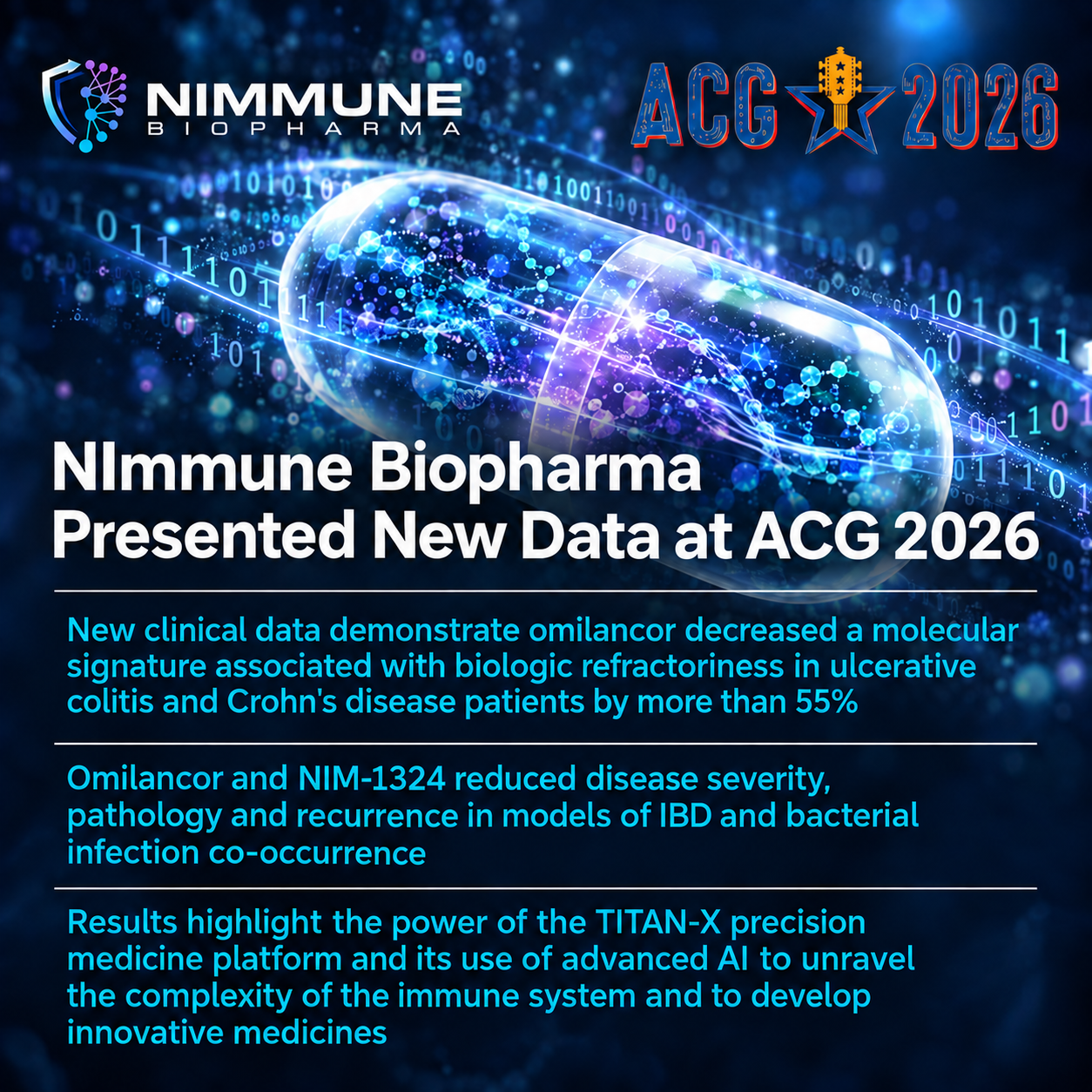
NImmune Biopharma Presented New Data at ACG 2026 Supporting the Efficacy and Safety of Innovative LANCL2 Medicines Targeting a Novel Mechanism in Hard-to-Treat IBD
NImmune Biopharma Presented New Data at ACG 2026 Supporting the Efficacy and Safety of Innovative LANCL2 Medicines Targeting a Novel Mechanism in Hard-to-Treat IBD
Download Press Release New clinical data show omilancor reduced a molecular signature associated with biologic refractoriness by more than 55% in ulcerative colitis and Crohn’s disease patients Omilancor and NIM-1324 reduced disease severity, pathology and...